These are not just women’s stories. They are stories about power, memory, resistance, and healing. Notes on The Heart Lamp by Banu Mushtaq
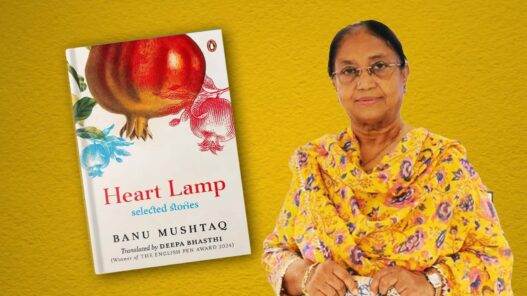
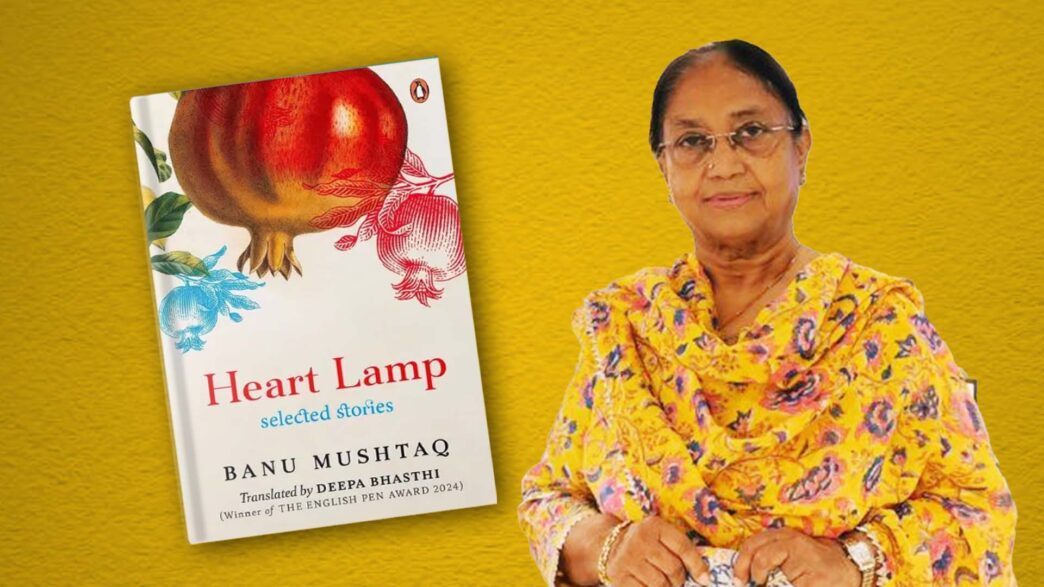
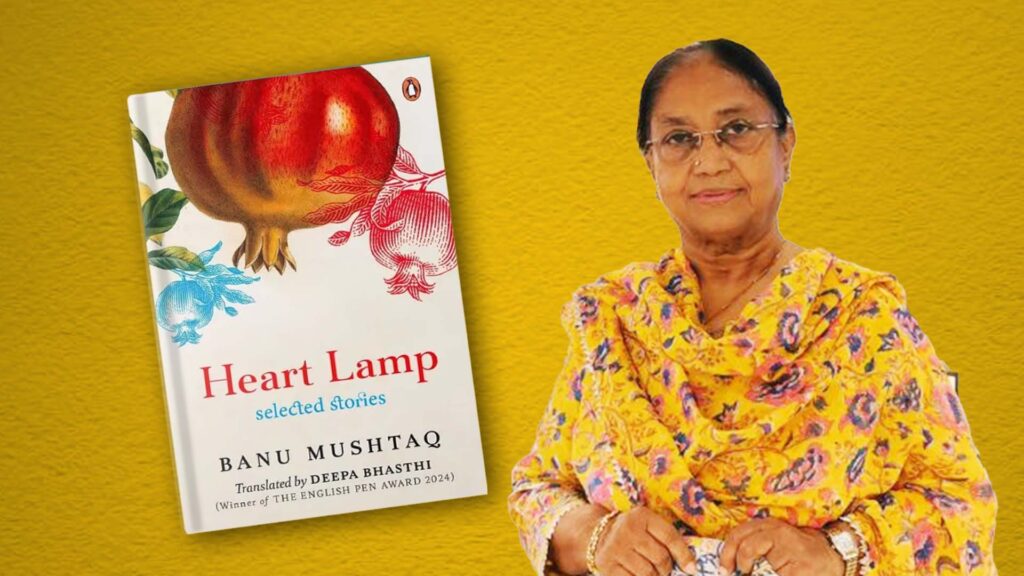
In a world where English often acts like a passport to global recognition, Banu Mushtaq’s Heart Lamp makes a quiet but powerful argument, stories don’t need to be written in English to move you. Originally published in Kannada and recently translated by Deepa Bhasthi, Heart Lamp won the2025 International Booker Prize and it’s making literary history for all the right reasons.
It’s the first time a Kannada-language book has won. It’s also the first short story collection to take home the prize. And perhaps most importantly, it’s the second Indian-language translation to win the Booker in recent years, following Geetanjali Shree’s Tomb of Sand (Ret Samadhi in Hindi), translated by Daisy Rockwell. Both books are written by women, translated by women, and rooted in the lives of women and that matters. These are deeply political works, not just because they tackle caste, gender, and social oppression head-on, but because they insist that these voices—long ignored or exoticised—belong at the center of the literary conversation.
Heart Lamp is a collection of 12 stories that span decades of Mushtaq’s writing. They’re not big, sweeping epics. They’re intimate, emotionally raw glimpses into the lives of Muslim and Dalit women in southern India—women navigating domestic violence, postpartum depression, social invisibility, and quiet rebellion.
In one of the most unforgettable stories, “Be a Woman Once, Oh Lord!“, a woman rages at God, demanding that they experience the burdens of being born female. In “Black Cobras,” grief turns into collective resistance as a group of women rise up against injustice. The title story “Heart Lamp,” inspired by Mushtaq’s own postpartum struggles, shows a woman on the edge of collapse and how her children, quietly, choose to save her. These stories might seem small in scale, but they’re enormous in emotion. They’re about survival, dignity, and often, about the tiny, radical choices women make every day just to stay alive and whole.
What makes Heart Lamp even more powerful is the translation itself. Deepa Bhasthi doesn’t try to iron out the regional textures of the original Kannada. Instead, she leans into them, keeping Kannada, Urdu, and Arabic words, using different English registers, and preserving the rhythm and mood of the original language. The result isn’t a polished, westernised version of an Indian book. It’s something more honest, more textured, and far more compelling. As the Booker Prize judges put it, the translation “ruffles the English language” — and that’s a good thing.
There’s something quietly revolutionary about Heart Lamp and Tomb of Sand both being recognized on the world stage. For so long, literature in translation — especially from the Global South — has had to “explain itself” to English-speaking audiences. These two books don’t do that. They don’t dilute language, flatten politics, or try to make the unfamiliar more palatable. They ask us to meet them where they are and in doing so, they open up a whole new landscape of storytelling.
They remind us that the most important literature doesn’t always come from the center often, it comes from the edges, the very fringes that are ignored but end up illuminating the light ahead.